
Fasting. Authentication. Inquire. Repeat
Cliff
Condiments and flavouring - a 5+ year retrospect in context of cyclical keto + intermittent fasting.How should we flavour a feature meal? This of course depends on individual factors not including personal habits, preferences and any tastebud adjustments overtime.
For sake of simplicity this article is not going to be research-exhaustive, Self-Meta style as I unfortunately am simply not endowed with time. Instead ~ I am presenting a share of what I do, as. a condensed convenient reading in the context of five+ years ~ of cyclical Keto + intermittent fasting. And of course with some thoughts on frugality along the way.
A disclaimer recite. This is only a share, not a dictation. Taste perception, preferences, and alterations to any of these, certainly warrants complex discussions towards neuroscience and food science.. See complete disclaimer here. Live-it-forward, AW.
The rule of <3.
- One (1) choice of wet condiment, mixed or solo.
- One (1) choice of dry condiment, mixed or solo.
- Salt and pepper (base).
Why wet and dry? This is simply to encourage a little more fluids intake. Simply adjust to taste. This translates to the following choices, in random rotation depending on availability and obviously to taste preference:
- Mayonnaise or any one (1) liquid commercial condiment and Garlic Powder.
- Soy sauce and ginger powder.
- Lemon and Garlic powder
- Tomato paste (moderate if watching oxalates intake) and garlic powder.
- (Existing) broths or stocks with garlic powder.
- (Existing) broths or stocks with ginger powder.
- (Existing) broths or stocks with soy sauce.
Of course, the above is not set in stone. "Garlic powder" can mean a mix of other spices, curry powders, or dried herbs. Again ~ a matter of preference.
A word about commercial liquid condiments. The minimal the better. Considering many of these condiments, commercial ones that is are often laden with thickeners. Some arguably safe; though some I'd warrant some caution, at least under my own lens. Xanthan or Guar gums? I'd say they'd pass my tolerance test ~ slight feeling of sludge and upset here and there, not too frequent. Carrageenans (#407)? This is a grey territory. There is some likelihood I'll be experiencing for inflammation-like unease, minutes, if not ~later within the hour of feeding window over anything containing carrageenan. For more complete list of what to consider and what to avoid, I'd recommend all to please refer to my Resources Toolkit blog article.
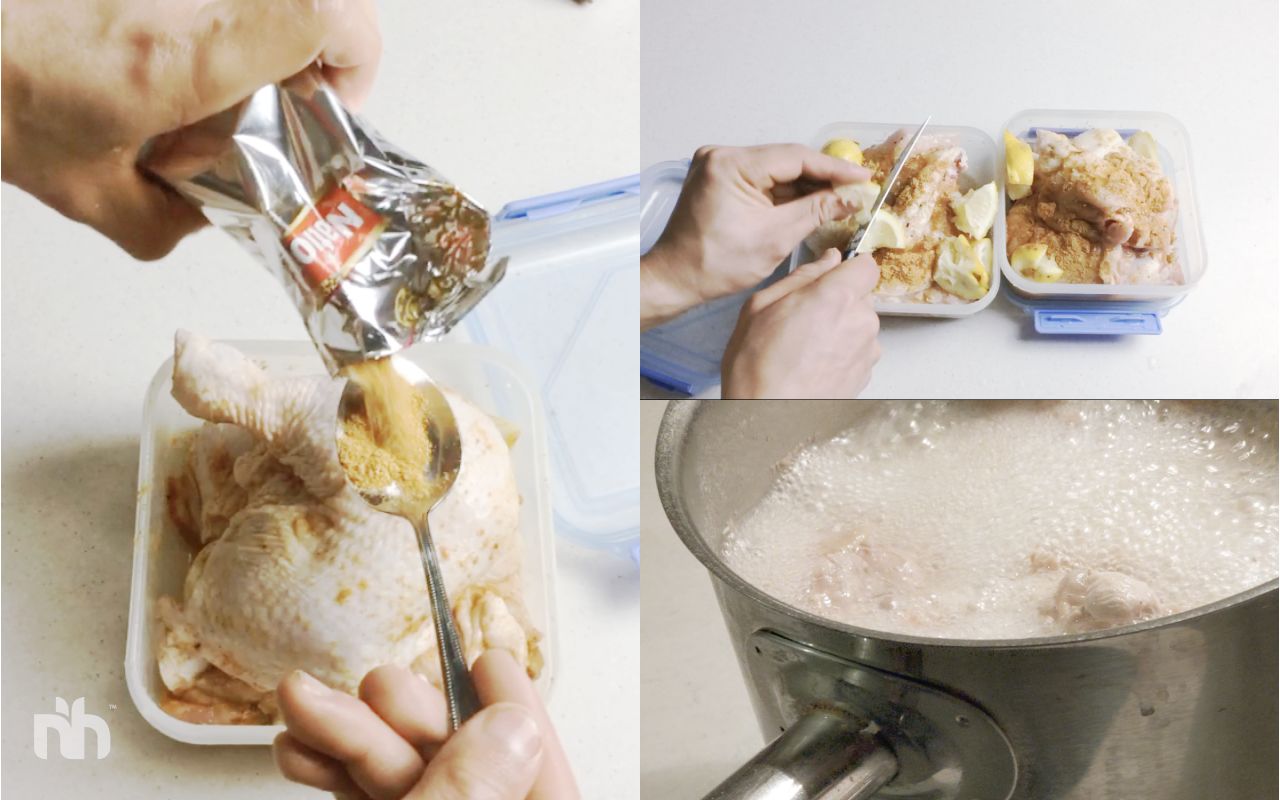
Marinates? The same rule applies.
I prefer slightly acidic ingredients for a slight-tart preference, starting at the very least some presence of Apple Cider Vinegar to encourage digestion. Mix the wet and dry condiments BEFORE the serving.
Once again I uphold wet cooking methodology over dry. I invite anyone to please view my technical accompanying dissertation and curated personal research on Glycation End Products.
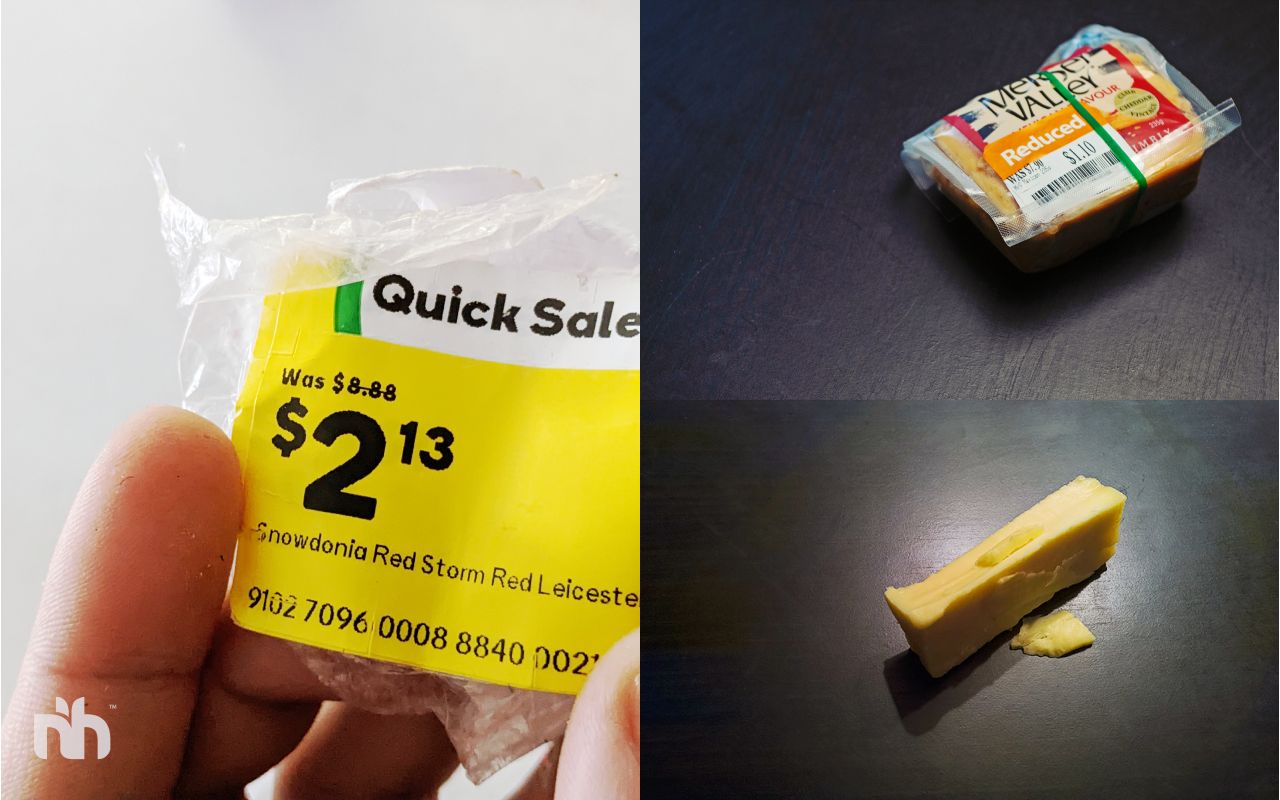
Cheese? Luxury.
Agree or disagree, Cheese is the most versatile food there is, next to yoghurt. Not only as actual "whole" food. But also as condiment both savoury and/or sweet palates. Almost no matter what food I pair it with, It just works.
As everyone becomes increasingly more frugal during these times, cheese intake would likely decrease. A viable alternative to expensive regular cheddar, or uber-luxury Gouda cheese ~ is in my finding since last year ~ is Feta. Whilst sadly not immune from crazy inflation, it is more forgiving in terms of pricing hovering somewhere between $7 to $8 per kilogram though obviously subject to vary in time. As bonus it is also low in lactose for those who are considered or diagnosed as dairy intolerant.
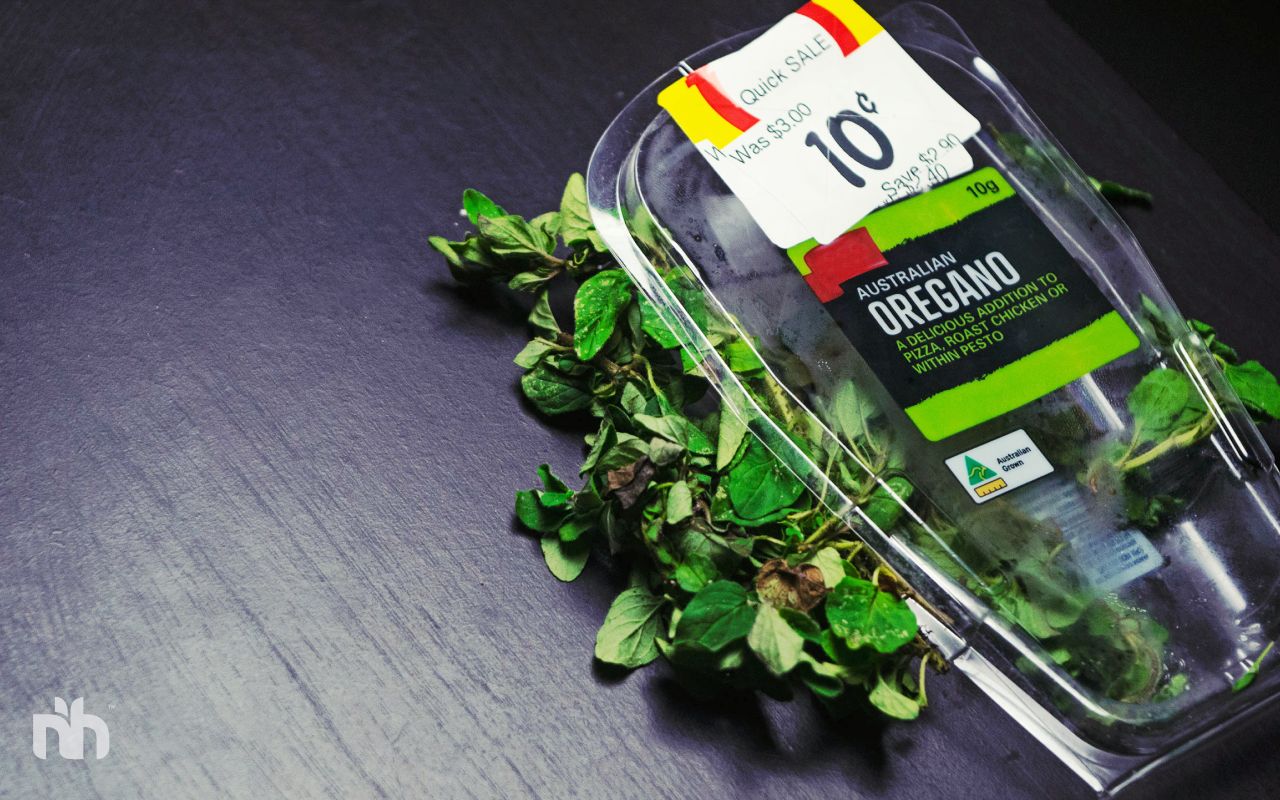
What about herbs?
The above rules still nonetheless apply. These herbs are as one expect - the "dry" category. Simply mix and match to taste.
Frugality wise I have regularly consumed and cooked with 50 to 75% off discounted / short dated priced herbs without any signs of gut distress. At least, strictly speaking from my own N=1 and gut health in retrospect over the last five+ years.
If there is one (1) herb which I remain cautious of, despite their hype / glamour amidst health circles - is simply mint. Including peppermints.
If it is for sweet desserts then yes I'd consider it some exception. And perhaps another exception, is during social interaction and/or outing - sugar free mint is probably essential if I have to speak out loud in close proximity, to cover, ahem, halitosis.
But everything else outside of this probably warrants further reading.
On low carbohydrate meals particularly higher in protein and with presence of cream and/or yoghurts is probably not a good idea. Bloating, and/or ballooning discomfort within the hour or two of feeding. At least from my own N=1 years of exclusion and reinclusion ~ mint does not always agree with anything demanding high acidity requirements from any meal.
However, that is me, I don't care whatever labels people throw at me for how strange I am. If it happens to me. Then it happens. No exceptions.
For desserts.
So the above relates only for savory meals. For dessert meals, the same rule more or less applies.
- "Dry": dessicated coconuts, (to watch in moderation for oxalates input) ~ cocoa/cacao powder, cocoa nibs, cinnamon, gelatin powders, low carbohydrate / low fructose friendly berries (raspberries, blueberries and strawberries, though moderate when scrutinising oxalates intake), protein powders concentrates or isolates, stevia ground. Yes, stevia on its own, grounded in their green extract; constitute a somewhat mild licorice like palate.
- "Wet": creams, butters, oils. Note that this also includes any sugar free alternative sweeteners.
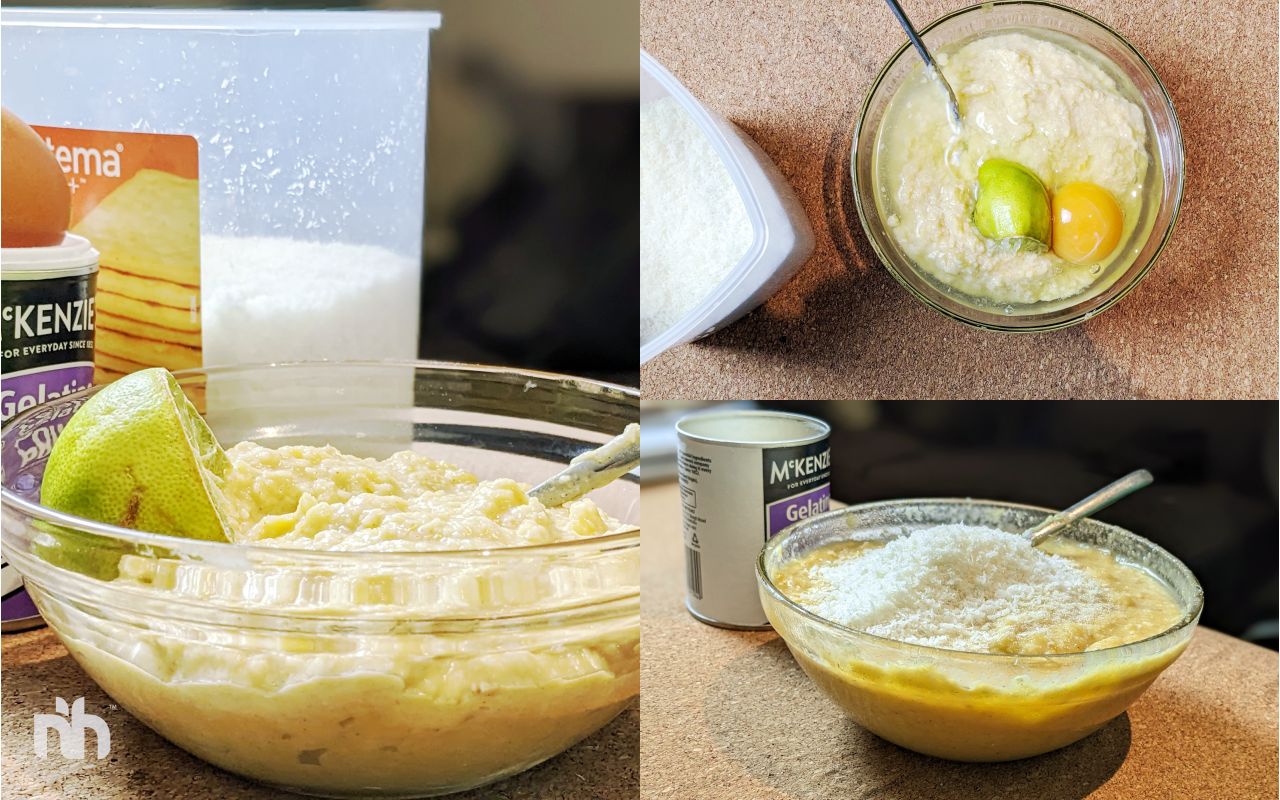
Combine one or more the wet with the dry and adjust to taste. Below is what my usual, for many years - what a typical mix and serve example.
- Gelatin powder 10g
- 20-30g flavoured whey protein concentrate / isolate
- DIY pumpkin puree serve
- Extra heaping of dessicated coconut.
- (optional) A serve of DIY yoghurt if available.
- Any combination of dry and wet condiments, as above.
My experiences remains mine. Yours may vary.
Over the years of fasting & refeeding, and all that hunting for palatability / flavouring impacts all led me to believe that taste buds do adjust overtime.
Going back to "healthy" templated low fat, high carbohydrate diet made me ravenous for more things. As I'm forever put into lingering (or institutional, probably more apt) anxiety ~ "when will my next big sugar hit will be?", but also ~ the never ending quest for flavouring and accessories.
Certainly I have done my fair share of junk hedonism. Yet overtime through years of intermittent fasting slowly reconcile within me the humility of Economics. And this comes to fruition when one tinkers with simplicity.
I am content to just <3 condiments at a time. At any feature meal. Salt, pepper and garlic powder. Other discretionary indulgence? Cheese and/or mayonnaise is probably enough, with lime.
Get rid of your Uber® <insert meal here> takeaways. If you're in the mood of cheat days, save until you've earned your carbohydrates enough - by giving your all - in the gym. No mobile phones. No two minute rest chit chatting disguised as "rest". Mindfulness activation, over exhaustion. No food in the stomach. Train authentically. What's the point of lifting heavy if you are betting more towards getting injured?
Get off the recipe bandwagon. Again what's the point of chasing more flavour? You'll always be disappointed and bored with it quickly anyway.
Intermittent Fast is a mystery at times on what it changes to your body (and tastebuds). I dare say it does reset our floor at times, how we perceive (and taste) food.
Your wallet might thank you for it, as side effect.
Live-It-Forward,
AW.